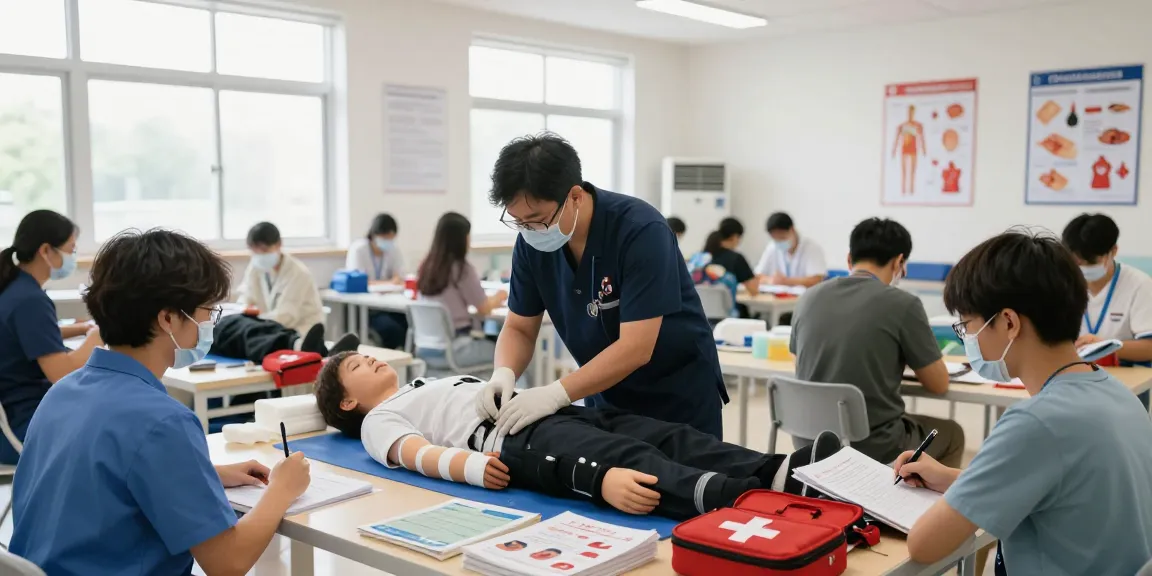
Understanding the Sam Splint: A Must-Have for First Aid
Emergency situations can arise anytime and anywhere, which is why having the right first aid tools is crucial. Among these essential tools, the Sam Splint stands out for its versatility and effectiveness in immobilizing injuries in both pre-hospital and in-hospital settings. This article delves into the significance of the Sam Splint in Canada, providing insights on its application, benefits, and comparisons to other splinting solutions.
For those interested in acquiring this life-saving tool, sam splint canada offers comprehensive insights into availability and options across the country.
What is a Sam Splint?
The Sam Splint is a lightweight, malleable splint designed for immobilizing fractured limbs or supporting injured body parts. Made from a closed-cell foam sandwiched between two layers of aluminum, it can be bent into various shapes, making it customizable for different body parts and injuries. Its compact size and ease of use make it an essential item in first aid kits, especially for emergency responders and outdoor enthusiasts.
Key Benefits of Using Sam Splints in Emergency Situations
The benefits of using Sam Splints are numerous, making them invaluable in emergency medical situations:
- Lightweight and Portable: Sam Splints are incredibly lightweight, which enhances their portability, allowing first responders to carry multiple units without added bulk.
- Versatile Application: They can be adjusted to fit different anatomy and various types of fractures, making them suitable for patients of all ages.
- Water Resistant: The material used is water resistant, making it effective in wet conditions.
- Rapid Application: Its design allows for quick application, essential in emergency scenarios to stabilize injuries before further medical attention is provided.
Common Misconceptions About Sam Splints
Despite their popularity, several misconceptions about Sam Splints exist:
- Only for Severe Injuries: Many believe Sam Splints are only necessary for severe fractures, but they can also be useful for sprains and strains.
- Complicated to Use: Another myth is that these splints require special training; however, they can be easily applied by most individuals with basic first aid knowledge.
- Too Rigid: Some might think they are too rigid for comfort. In reality, they provide just the right support without compromising blood circulation.
How to Properly Use a Sam Splint
Step-by-Step Guide to Application
Proper application of a Sam Splint is crucial for effectiveness:
- Assess the Injury: Identify the location and severity of the injury before applying the splint.
- Prepare the Patient: Ensure the patient is comfortable and calm. Explain the procedure to them to alleviate any anxiety.
- Shape the Splint: Mold the splint to fit the injured area, using the hinges to support the limb adequately.
- Secure the Splint: Use gauze, bandages, or other securing materials to hold the splint in place, ensuring it is snug but not too tight.
- Monitor the Patient: After application, keep an eye on the patient’s circulation and comfort level.
Best Practices for Effectiveness and Safety
To maximize the effectiveness of a Sam Splint, consider the following best practices:
- Clean the Splint: Always clean the splint after use to ensure hygiene, especially when dealing with open wounds.
- Check for Circulation: After applying the splint, regularly check for any signs of compromised circulation in the limb.
- Educate Yourself: Familiarize yourself with different application techniques through training or first-aid courses.
Real-Life Scenarios: Success Stories
There have been numerous instances where the use of a Sam Splint has made a significant difference. For instance, mountain rescue teams have successfully used Sam Splints to stabilize hikers with fractures before transporting them to safety. Similarly, in urban settings, first responders frequently rely on these splints for rapid immobilization of accident victims, ensuring they receive timely medical care while minimizing the risk of further injury.
Comparing Sam Splint Canada to Other Splinting Solutions
Material Comparisons: Durability and Comfort
When comparing the Sam Splint to other splinting solutions, material composition plays a vital role.
- Plastic Splints: While plastic splints are affordable and lightweight, they can lack the flexibility required for proper immobilization.
- Wooden Splints: Though sturdy, wooden splints are bulky and can be uncomfortable for patients, leading to additional distress during a traumatic experience.
- Conventional Rigid Splints: These tend to be heavier and less adaptable compared to the Sam Splint’s malleability, which allows for a more comfortable fit.
Price Analysis: Is Sam Splint Worth It?
The price point of Sam Splints can sometimes deter potential buyers, but considering their durability and multi-use capabilities, they offer excellent value. When analyzing cost against effectiveness, especially in critical situations, the Sam Splint proves to be a worthy investment for both individual and institutional use.
Expert Opinions and Recommendations
Healthcare professionals and emergency personnel advocate for the use of Sam Splints, citing their ease of application and effectiveness. Many first-aid courses include training on the use of these splints, which has showcased their practical benefits in real-world scenarios.
Innovations in Splint Technology and Future Trends
Upcoming Developments in First Aid Products
As technology evolves, so too does the landscape of first aid products. Innovations in materials and design are leading to splints that are even lighter, more compact, and easier to use. Future iterations of the Sam Splint may include features that enhance comfort and provide more robust support.
The Rise of Smart Splints: What to Expect
One of the exciting advancements in splint technology is the development of smart splints equipped with sensors that can monitor blood flow and movement. These intelligent devices may offer real-time feedback to medical professionals, ensuring optimal care for patients in emergency situations.
Emerging Training Techniques for Healthcare Professionals
With the rise of new technology, training techniques are also evolving. Virtual reality and simulation training are becoming popular for teaching proper splint application techniques, enabling healthcare professionals to practice in a safe environment before facing real-life emergencies.
Frequently Asked Questions about Sam Splints
What makes Sam Splints suitable for diverse emergencies?
Sam Splints are versatile, adaptable, and can be molded to fit various parts of the body, making them suitable for a wide range of injuries.
How to maintain and store your Sam Splint properly?
Keep your Sam Splint clean and dry, storing it in a cool, dry place to prolong its lifespan.
Who should carry a Sam Splint in Canada?
Outdoor enthusiasts, sports teams, paramedics, and anyone involved in first aid should consider having a Sam Splint as part of their emergency kit.
Can a Sam Splint be used for pediatric patients?
Yes, Sam Splints are adjustable and can be effectively used for pediatric patients, making them invaluable in family first aid kits.
Where to purchase Sam Splints in Canada?
Sam Splints can be purchased through various medical supply stores and online retailers specializing in first aid products. Many Canadian organizations also provide training and offer these splints as part of their first aid kits.