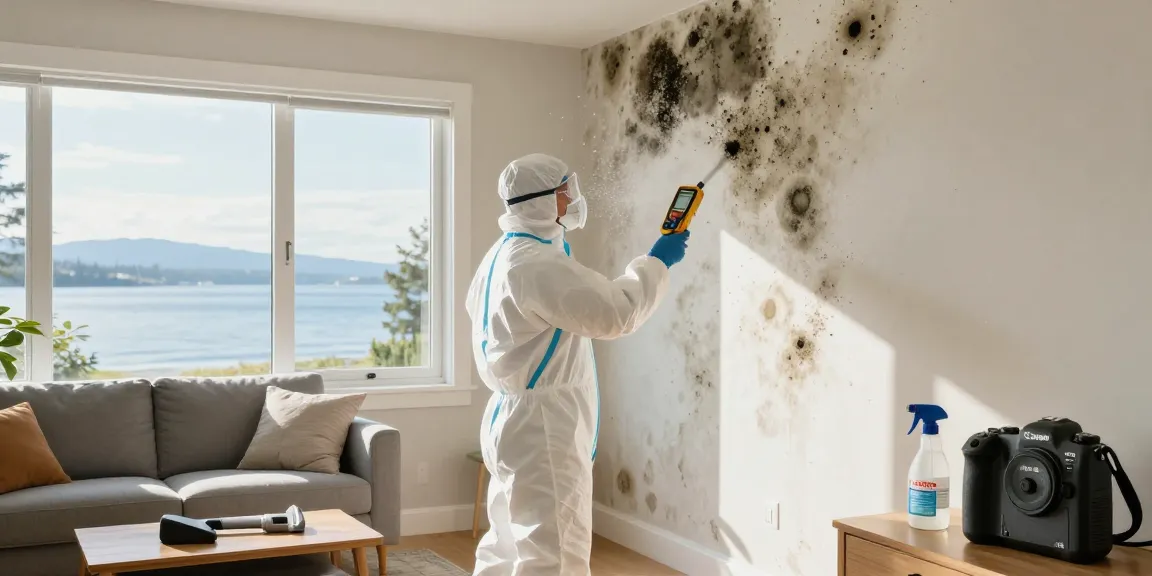
Understanding Mold Issues in West Vancouver
Mold is not just an aesthetic issue; it poses significant health risks, especially in areas like West Vancouver where coastal humidity creates ideal growth conditions. Homeowners and business operators must be aware of the dangers of mold growth and the need for prompt remediation. In the humid environment of West Vancouver, where frequent rains and damp conditions prevail, mold can proliferate quickly, often unnoticed until it has already caused damage. When exploring options, Mold Remediation West Vancouver provides comprehensive insights and solutions to tackle such problems effectively.
Why Mold Growth is Common in Coastal Environments?
The geography and climate of West Vancouver create the perfect breeding ground for mold. Coastal areas experience higher humidity levels and considerable rainfall, both of which contribute to moisture accumulation in homes. In addition, older buildings in the area may have structural vulnerabilities, such as poor ventilation or inadequate waterproofing, which exacerbates the situation. This environmental reality makes it crucial for residents to understand the factors that facilitate mold growth.
The Health Risks of Ignoring Mold
Ignoring mold growth can lead to serious health problems for those exposed to its spores. Mold can trigger allergies, respiratory issues, and a host of other health complications, particularly for individuals with existing conditions like asthma. Long-term exposure can lead to more severe reactions, including neurological problems or chronic respiratory diseases. Therefore, timely intervention and professional mold remediation services are vital to safeguard inhabitants’ health.
Identifying Signs of Mold in Your Home
Recognizing the signs of mold in your home is the first step in addressing the issue. Common indicators include:
- Visible mold growth on walls, ceilings, or floors
- A musty or earthy odor
- Water stains or discoloration on surfaces
- Flaking or bubbling paint
- Increased allergy or respiratory symptoms among residents
If you notice any of these signs, it is crucial to seek a professional mold assessment immediately.
The Mold Remediation Process Explained
Understanding the mold remediation process is essential for homeowners seeking to address the problem effectively. A thorough remediation process includes a series of well-defined steps designed to eliminate mold and prevent its return.
Initial Assessment and Inspection Procedures
The first step in mold remediation is a comprehensive assessment of the property. Certified professionals will conduct a detailed inspection to identify visible mold, assess indoor air quality, and determine the extent of the contamination. This assessment often involves moisture mapping and the use of thermal imaging technology to detect hidden mold in areas like walls and ceilings.
Containment Strategies to Prevent Spread
Once the initial assessment is complete, the next step is containment. This process involves isolating the affected areas to prevent mold spores from spreading to other parts of the home. This may include sealing off doors and windows, using plastic sheeting, and employing negative air pressure machines to control airflow.
Effective Removal Techniques and Equipment
Effective mold removal typically requires specialized techniques. Remediation teams use HEPA filters in air scrubbers to capture and remove airborne spores. If heavy mold growth is present, contaminated materials, such as drywall or carpet, may need to be removed and disposed of safely. After the removal, antifungal treatments are used to eliminate remaining mold spores.
Long-term Solutions and Prevention Tips
Following successful mold remediation, it is crucial to implement long-term solutions to prevent future infestations. This involves identifying and correcting the moisture sources that contribute to mold growth.
Moisture Control Methods for Vancouver Homes
To effectively control moisture, homeowners should consider the following methods:
- Improving ventilation in bathrooms and kitchens
- Using dehumidifiers in damp areas
- Regularly inspecting for leaks in plumbing and roofing
- Ensuring that gutters and downspouts are directing water away from the foundation
Regular Maintenance to Avoid Future Mold Growth
Regular home maintenance can significantly reduce the risk of mold. Homeowners should conduct routine checks for leaks, ensure that ventilation systems are working properly, and consider periodic professional mold inspections, especially after significant weather events.
Professional Services vs. DIY Approaches
While DIY methods may be tempting, professional mold remediation services offer comprehensive solutions that address the root causes of mold growth, ensuring that the problem does not recur. Professionals have the equipment and expertise necessary to deal with mold safely and effectively.
Understanding Mold Remediation Costs in West Vancouver
The cost of mold remediation can vary significantly based on several factors, including the extent of contamination and location within the home.
Factors that Influence Mold Remediation Pricing
Some of the main factors that influence the cost of mold remediation include:
- The size of the affected area
- The type of mold present
- The materials requiring remediation
- Accessibility of the contaminated area
Cost Breakdown for Common Mold Issues
In West Vancouver, homeowners should expect to pay anywhere from a few hundred to several thousand dollars for mold remediation, depending on the severity of the issue. A typical mold removal project might cost around $500 to $3,000, but extensive contamination or structural damage can significantly increase this range.
Insurance Considerations for Mold Remediation
Understanding your insurance coverage for mold can also be a crucial part of managing costs. Many policies offer coverage for mold damage, but the specifics can vary greatly. Homeowners should consult their insurance providers to ascertain what is covered and whether professional remediation is included.
Frequently Asked Questions on Mold Remediation
Many homeowners have questions regarding mold remediation. Here are some common queries and their answers.
How Do I Know If I Need Mold Remediation?
If you observe visible mold, detect a musty odor, or experience unexplained health issues, it’s time to seek professional help. Early intervention is key to preventing more extensive damage.
Can I Stay in My House During Mold Remediation?
While small-scale remediation may allow for residents to stay in their homes, larger projects often require evacuation for safety reasons. Consult your remediation team for advice based on your specific situation.
What are the Benefits of Professional Mold Remediation?
Professional mold remediation ensures that the issue is thoroughly and safely addressed. Experts have the tools and experience necessary to detect hidden mold and eliminate it effectively, while also providing proper documentation for insurance claims.
Is Black Mold Removal Included in Mold Remediation Services?
Yes, reputable mold remediation services include the removal of all types of mold, including black mold (Stachybotrys chartarum), which is known for its potential health risks. Professional teams are trained to handle these hazardous types safely and effectively.
How Can I Ensure Mold Doesn’t Return After Remediation?
To prevent future mold growth, it is crucial to address the moisture sources that led to the problem initially. Regular maintenance, improved ventilation, and prompt repairs of leaks are necessary steps.